
A Wholesale Buyer's Guide to Sourcing Eco-Friendly Bags from India
So you've decided to ditch plastic and switch your brand to eco friendly bags. Good move , but now comes the harder part: actually finding a supplier you can trust, at a price that makes sense, without ending up with a container of bags that fall apart after two uses.
If you've started Googling "eco-friendly bag manufacturers," you already know India comes up again and again. There's a reason for that. But sourcing from overseas can feel intimidating the first time, especially if you're used to buying local. So let's walk through exactly what you need to know before you place that first bulk order.
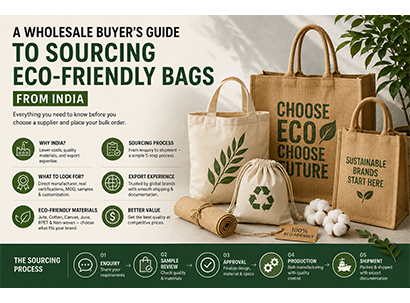
Why India, Specifically?
India has been making jute, cotton, and canvas bags for export markets for decades , this isn't a new trend that popped up when plastic bans started rolling out. The country grows a huge share of the world's jute (West Bengal alone is one of the largest jute producing regions on the planet), and there's a deep, established supply chain of spinners, weavers, and stitching units that know this material inside out.
What that means for you as a buyer:
- Lower production costs compared to sourcing the same quality from Europe or North America
- Mature manufacturing infrastructure — this isn't a factory experimenting with a new product line
- Wide material variety in one place: jute, cotton, canvas, juco (a jute-cotton blend), RPET, and non-woven, often from the same supplier
- Export experience — most established manufacturers already ship to the US, UK, Middle East, and Australia, so they understand international compliance, packing, and documentation
Basically, you're not asking a factory to figure out exporting for the first time. That matters more than people expect.
What to Actually Look for in a Supplier
Not all manufacturers are equal, and the difference between a good one and a bad one usually shows up after you've already paid and the shipment is on a boat. Here's what to check before you commit.
Are they a direct manufacturer or a trading company? This is the single biggest thing to clarify upfront. A trading company adds a markup and a communication layer between you and the actual factory , which means slower responses, less flexibility on custom specs, and less control over quality. A direct manufacturer can quote you factory pricing and make changes to size, GSM (fabric density), handle style, or printing method without needing to check with someone else first.
Can they show you real certifications? "Eco-friendly" gets thrown around loosely. Ask specifically about things like AZO-free dyes (AZO dyes are banned or restricted in many countries because of health concerns), biodegradability, and any relevant export certifications. A supplier who can answer this clearly and quickly is usually one who's dealt with international compliance before.
What's their MOQ, really? Minimum order quantities vary a lot depending on the product a simple jute shopping bag might have a lower MOQ than a heavily customized promotional bag with multi-color printing. Get the actual number for your specific product and design, not a generic "we do bulk orders" answer.
Do they offer samples? This one's non negotiable. Never place a bulk order without seeing and physically handling a sample first. Check the stitching, the handle strength, the fabric weight, and how the print actually looks on the material (colors can shift once printed on natural fibers vs. how they look in a digital mockup).
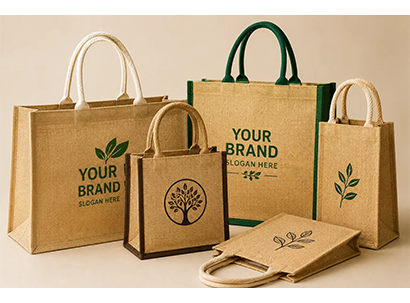
How do they handle customization? If you need your logo, brand colors, or a specific bag size, ask what printing methods they offer , screen printing and DTF (direct-to-film) are common for cotton and jute bags, and each has different cost and durability trade-offs. A supplier who can walk you through this without hesitation is a good sign.
Understanding the Materials (So You Order the Right One)
If you're new to this, the material options can be confusing. Quick breakdown:
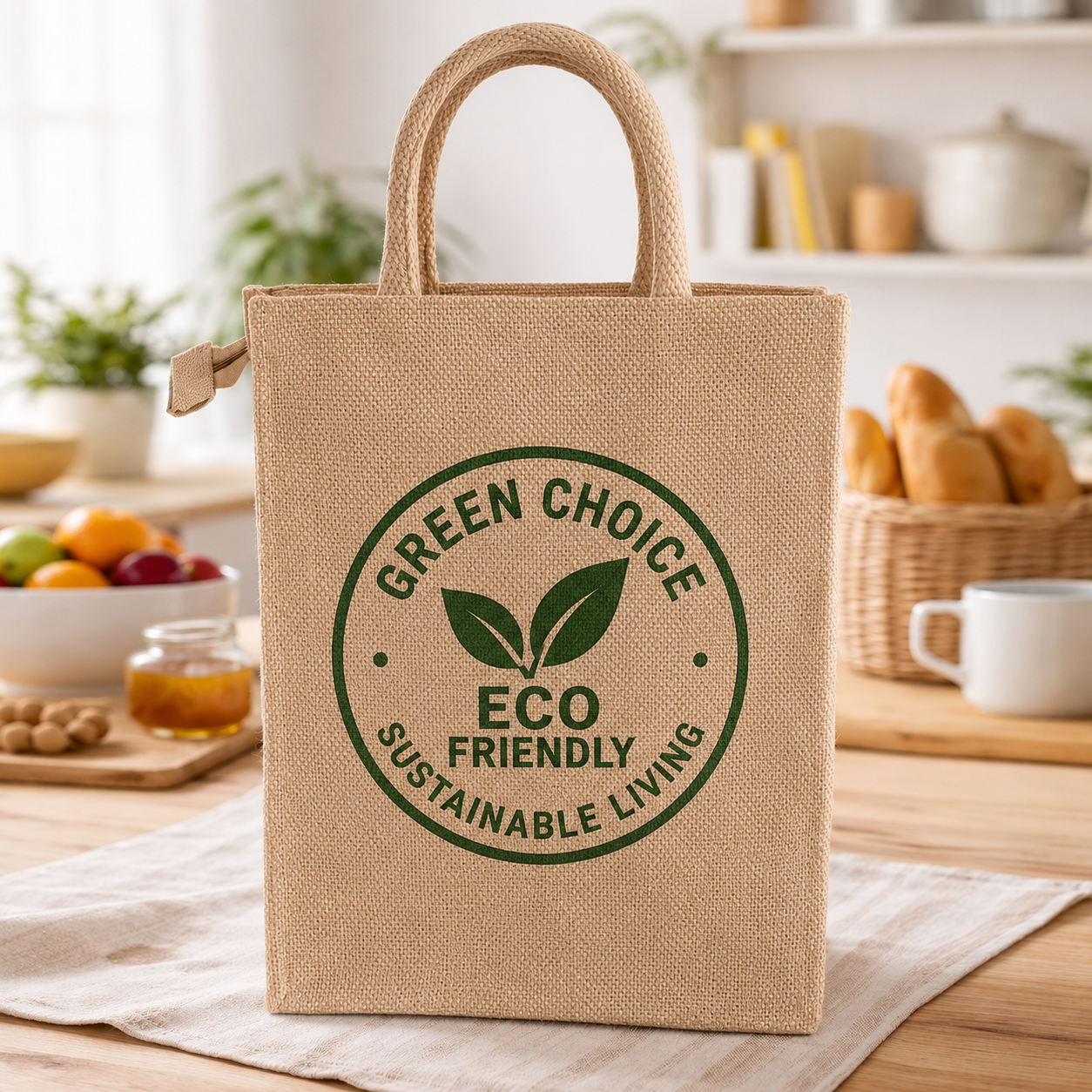
- Jute — biodegradable, strong, and has that natural, earthy look that reads as "sustainable" instantly. Great for gift bags, wine bags, and retail packaging.
- Cotton — soft, versatile, and easy to print on cleanly. Good for tote bags, drawstring pouches, and everyday retail use.
- Canvas — heavier and more rugged than cotton, ideal for backpacks, heavy-duty totes, and anything that needs to hold weight.
- Juco — a jute-cotton blend that balances the texture of jute with some of the softness and printability of cotton.
- RPET — made from recycled plastic bottles, a good option if your brand wants a "closed-loop recycling" story rather than a natural-fiber one.
- Non-woven — budget-friendly and lightweight, common for promotional giveaways and events.
Matching the material to your actual use case saves you from over-paying for a premium fabric your customers won't notice, or under-ordering something too flimsy for the job.
The Sourcing Process, Step by Step
- Enquiry — Share your requirements: bag type, quantity, sizes, and any branding needs.
- Sample review — The supplier sends samples so you can check quality before committing.
- Approval — You finalize the design, material, and specs.
- Production — Bulk manufacturing begins, typically with agreed timelines.
- Shipment — Bags are packed and shipped, with export documentation handled by the supplier.
The whole process usually takes a few weeks from sample approval to shipment, depending on order size and customization complexity ,so build that lead time into your planning if you're working toward a launch date or seasonal campaign.
A Few Things Buyers Often Overlook
- Shipping costs and timelines — Sea freight is cheaper but slower; air freight costs more but can save a launch date. Ask upfront.
- Import regulations in your country — Some countries have specific labeling or biodegradability claims you're legally required to include. Don't assume the supplier will know your country's rules better than you do.
- Currency and payment terms — Understand exactly what you're paying, when, and in what currency before production starts.
- Communication speed — This tells you a lot. A supplier who's slow or vague before you've paid anything is not going to get faster afterward.
conclusion
Sourcing eco friendly bags from India isn't complicated once you know what questions to ask. Find a direct manufacturer, get real samples, confirm their certifications, and be clear about your material and customization needs. Do that, and you'll end up with a supplier relationship that can scale with you , not just a one time order you're nervous about.
If you're exploring suppliers right now, it's worth requesting a sample and a direct quote before you commit to anything. It costs you nothing to compare, and it's the fastest way to tell a real manufacturer from a middleman.