
From Jute to Cotton: India's Natural Materials and Their Role in Sustainability
As the world moves toward more environmentally responsible practices, natural materials are gaining renewed attention for their ability to reduce waste, conserve resources, and support sustainable development. India, with its rich agricultural heritage and centuries old traditions of craftsmanship, has long been a leader in the use of renewable and biodegradable materials.
From the sturdy strength of jute to the versatility of cotton, India's natural fibers have played a vital role in everyday life for generations. Today, these materials are once again becoming essential as businesses and consumers seek sustainable alternatives to plastic and synthetic products.
In this article, we explore India's natural materials and their role in sustainability, highlighting how traditional resources are helping create a greener future.
Why Natural Materials Matter in a Sustainable World
Modern environmental challenges such as plastic pollution, overflowing landfills, and carbon emissions have increased demand for eco-friendly materials. Unlike synthetic products that can take hundreds of years to decompose, natural fibers are renewable, biodegradable, and often require fewer resources during production.
Natural materials contribute to sustainability by:
- Reducing plastic waste
- Supporting circular economies
- Lowering environmental impact
- Encouraging responsible consumption
- Promoting renewable resource use
India's natural fibers offer practical solutions that align with these sustainability goals while supporting local communities and industries.
Jute: The Golden Fiber of India
Jute is one of India's most important natural materials and is often referred to as the "Golden Fiber" because of its economic value and environmental benefits.
What Makes Jute Sustainable?
Jute is a plant-based fiber that grows quickly and requires relatively low amounts of water and chemical inputs. It absorbs significant amounts of carbon dioxide during cultivation and enriches soil fertility through natural crop cycles.
| Benefit | Impact |
|---|---|
| Biodegradable | Naturally decomposes without harming the environment |
| Renewable | Regrows annually |
| Recyclable | Supports multiple uses throughout its lifecycle |
| Durable | Long-lasting alternative to plastic |
| Low Carbon Footprint | Requires minimal processing compared to synthetic materials |
Common Uses of Jute
Jute is widely used in:
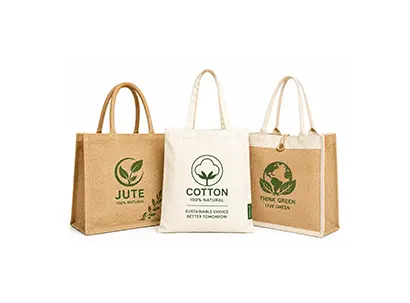
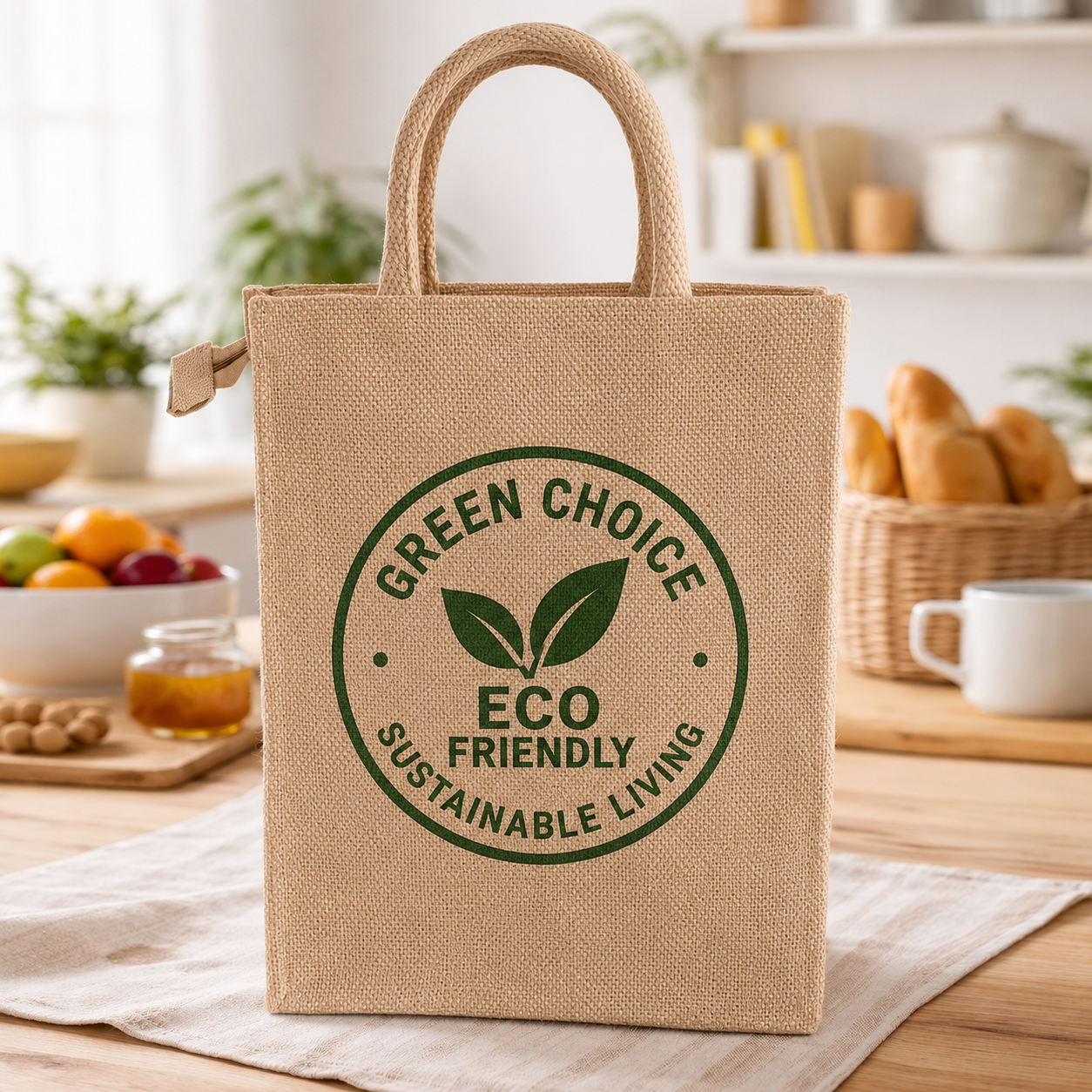
- Jutes shopping bags
- Packaging materials
- Jute promotional bags
- Home décor products
- Agricultural storage sacks
- Corporate gifting solutions
As governments and businesses work to reduce plastic dependency, jute bags have become one of the most popular sustainable packaging alternatives.
Cotton: A Timeless Natural Fiber
Cotton has been woven into India's cultural and economic history for thousands of years. Known for its softness, durability, and versatility, cotton remains one of the world's most widely used natural fibers.
Why Cotton Supports Sustainability
When responsibly sourced and manufactured, cotton offers numerous environmental advantages over synthetic materials.
Key benefits include:
- Biodegradability
- Reusability
- Breathability
- Comfort
- Renewable production cycles
Cotton products often have longer usable lifespans, encouraging consumers to choose durable alternatives instead of disposable options.
Applications of Cotton in Sustainable Products
Cotton is commonly used for:
- Reusable shopping bags
- Tote bags
- Garments
- Home textiles
- Corporate merchandise
- Packaging solutions
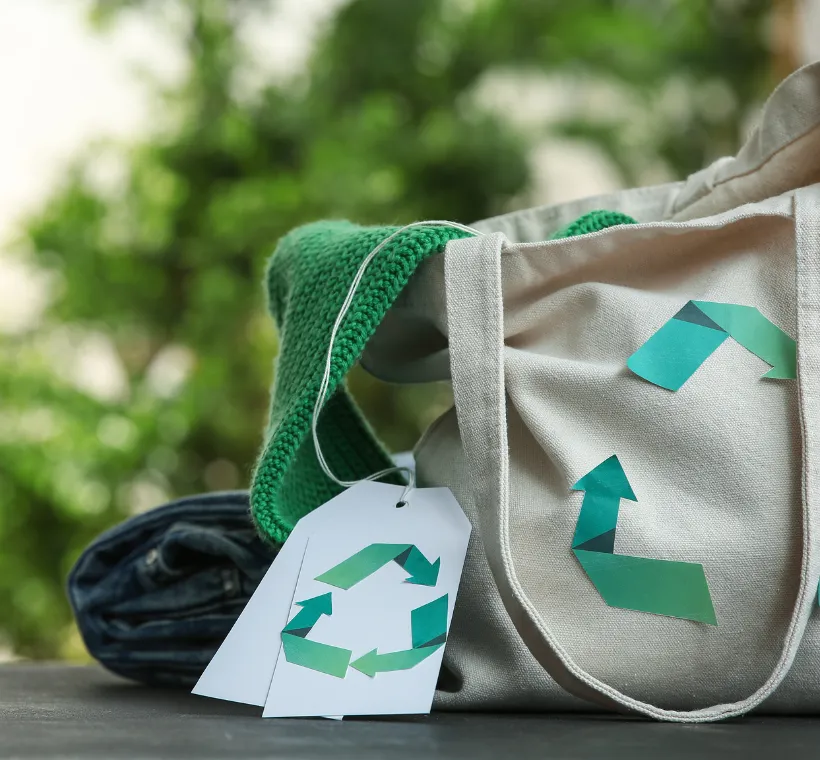
As consumers become more environmentally conscious, reusable cotton bags are increasingly replacing single-use plastic bags in retail and promotional campaigns.
The Role of Natural Materials in Sustainable Packaging
Packaging remains one of the largest contributors to global waste. As regulations and consumer expectations evolve, sustainable packaging has become a business priority.
Natural materials help businesses:
- Reduce plastic usage
- Meet environmental goals
- Enhance brand reputation
- Appeal to eco-conscious customers
- Support corporate sustainability initiatives
Reusable bags made from jute and cotton are particularly effective because they combine functionality with environmental responsibility.
How Natural Bags India Supports Sustainable Solutions
At Natural Bags India, natural materials are at the heart of every product. By promoting reusable bags crafted from eco-friendly fibers such as jute and cotton, the company helps businesses transition toward more sustainable packaging and promotional solutions.
These products support:
- Plastic reduction efforts
- Responsible consumer behavior
- Long-term environmental sustainability
- Eco-conscious branding
As sustainability becomes increasingly important in global markets, natural fiber bags offer a practical and impactful way for organizations to demonstrate environmental commitment.
Future Trends in Natural Materials
Growing environmental awareness is driving innovation in natural fiber applications.
Emerging trends include:
- Biodegradable packaging solutions
- Sustainable retail packaging
- Eco-friendly corporate gifting
- Circular economy initiatives
- Natural fiber composite materials
India's expertise in natural materials positions it to play a significant role in the future of sustainable manufacturing and packaging.
Conclusion
India's natural materials have supported communities, industries, and traditional lifestyles for centuries. Today, as the world searches for sustainable alternatives to plastic and synthetic products, materials such as jute, cotton, bamboo, coir, hemp, and banana fiber are proving their value once again.
The journey from jute to cotton: India's natural materials and their role in sustainability demonstrates that some of the most effective solutions for environmental challenges already exist within nature. By embracing these renewable resources, individuals and businesses can reduce waste, lower environmental impact, and contribute to a more sustainable future.
For organizations seeking eco-friendly packaging and reusable bag solutions, Natural Bags India continues to champion the use of natural materials that combine functionality, durability, and environmental responsibility.
Frequently Asked Questions
Why is jute called the Golden Fiber?
Jute is known as the Golden Fiber because of its natural golden color, economic value, and environmental benefits.
Are cotton bags better than plastic bags?
Yes. Reusable cotton bags reduce plastic waste and can be used multiple times, making them a more sustainable option.
Is jute biodegradable?
Yes. Jute is completely biodegradable and naturally decomposes without causing environmental harm.
What are the environmental benefits of natural fibers?
Natural fibers are renewable, biodegradable, recyclable, and generally have lower environmental impacts than synthetic materials.
Can businesses use natural materials for packaging?
Absolutely. Many businesses use jute, cotton, bamboo, and other natural materials to create sustainable packaging solutions.
How does Natural Bags India contribute to sustainability?
Natural Bags India provides reusable bags made from eco-friendly natural fibers, helping businesses reduce plastic usage and promote sustainable practices.